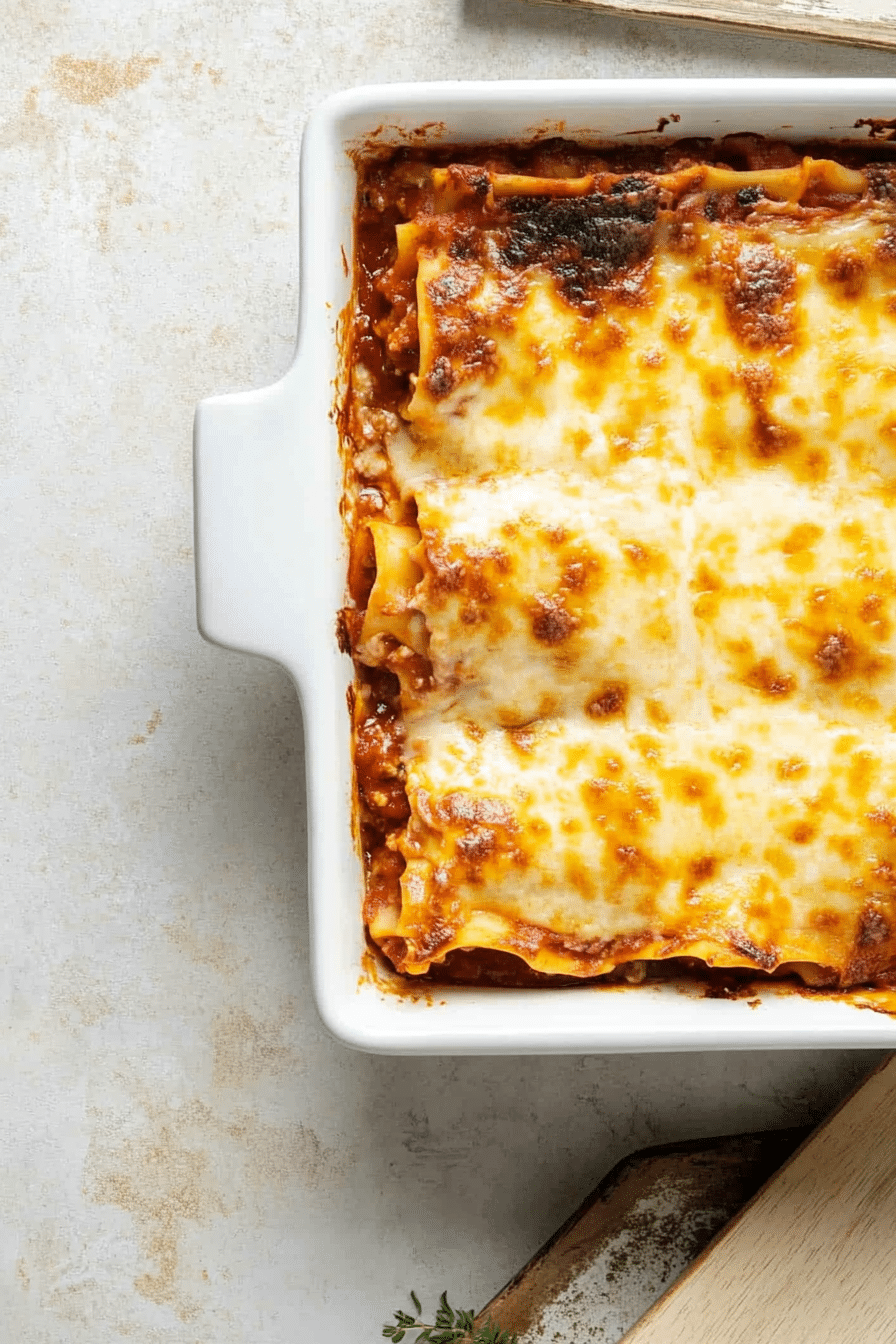
Authentic Italian Lasagna: Why Whole Milk Ricotta Matters for the Best Lasagna Recipe
There's a reason certain recipes are passed down through generations, becoming beloved family traditions. They embody comfort, flavor, and the warmth of shared meals. When it comes to Italian cuisine, few dishes capture this essence quite like a truly authentic lasagna. Forget the notion that "fast" or "easy" always equates to the best. The secret to the *best lasagna recipe* lies in embracing tradition, patience, and most importantly, choosing the right ingredients. And nowhere is this more evident than in the often-overlooked, yet critically important, choice of whole milk ricotta.
This isn't just any lasagna; it's a testament to the power of quality components and time-honored techniques. From a rich, slow-simmered meat sauce to the perfect blend of cheeses, every element plays a crucial role. But today, we're zeroing in on a creamy, dreamy secret that elevates a good lasagna to an unforgettable one: whole milk ricotta.
The Heart of the Matter: A Meat Sauce That Sings
Every great lasagna begins with an exceptional meat sauce, often referred to as ragù. This isn't just a quick marinara; it's a deeply flavorful, aromatic foundation that permeates every layer of the dish. It’s what truly defines the authentic Italian experience and makes any version of this dish aspire to be the
Mom's Best Homemade Lasagna: The Ultimate Family Recipe.
Building Layers of Flavor: The Perfect Ragù
Our ideal ragù combines the richness of ground beef with the spicy, aromatic notes of Italian pork sausage. This duo provides a complexity that a single meat simply cannot achieve. Sautéing finely diced onions and minced garlic in olive oil until translucent forms the aromatic base, followed by browning the beef and sausage. A crucial tip here: if your meat releases excessive grease, don't hesitate to drain some of it. This prevents an overly oily sauce and allows the true flavors to shine.
Once the meats are browned, the magic of the tomatoes unfolds. A blend of tomato paste (for concentrated umami), crushed tomatoes (for body), and tomato sauce (for a smooth liquid base) creates a robust canvas. But the sauce isn't complete without its supporting cast: a touch of sugar to balance the acidity of the tomatoes, and a generous seasoning of oregano, basil, salt, and a couple of bay leaves. These herbs, especially when dried and allowed to rehydrate and infuse during cooking, release a fragrant symphony that is unmistakably Italian.
The key to a truly magnificent meat sauce is time. Let it simmer gently on medium-low heat for at least an hour, or even longer. This slow cooking allows the flavors to meld, deepen, and thicken into a luscious ragù that clings perfectly to the pasta. For those who love to plan ahead, this meat sauce is a fantastic candidate for slow-cooking overnight or preparing a large batch in a slow cooker to freeze in containers. Imagine having this flavorful base ready for pasta nights or another lasagna!
The Ricotta Revolution: Why Whole Milk Makes All the Difference
Now, let's talk about the unsung hero of our authentic Italian lasagna: the ricotta cheese. While some might reach for part-skim varieties or even cottage cheese, if you’re aiming for the *best lasagna recipe*, whole milk ricotta is non-negotiable. Its superior texture and flavor profile make an undeniable impact.
Crafting the Creamy Ricotta Filling
The ricotta mixture is beautifully simple: fresh whole milk ricotta, egg yolks, and finely chopped fresh parsley. The egg yolks act as a binding agent, helping the ricotta set beautifully when baked, preventing it from becoming crumbly or watery. The fresh parsley adds a vibrant color and a burst of herbaceous freshness that cuts through the richness of the meat and other cheeses.
Why whole milk ricotta? The distinction lies in its fat content and inherent moisture. Whole milk ricotta is creamier, richer, and significantly less watery than its part-skim counterparts or cottage cheese.
* **Texture:** Whole milk ricotta yields a smooth, velvety, and luscious layer in your lasagna. Part-skim versions can sometimes be grainy or dry, while cottage cheese, with its distinct curds and higher water content, can make your lasagna watery and give it an unappealing texture. The goal is a unified, creamy consistency that melts in your mouth, not a watery or bobbly texture.
* **Flavor:** The higher fat content in whole milk ricotta contributes to a fuller, more luxurious flavor. It's subtly sweet and dairy-rich, providing a perfect counterpoint to the savory meat sauce and sharp Parmesan. It truly is the secret to a ricotta layer that tastes heavenly.
* **Authenticity:** Traditionally, Italian grandmothers weren't reaching for low-fat options. They used rich, full-fat dairy, which contributes to the authentic taste and texture that have been cherished for generations. Embracing whole milk ricotta is a nod to these culinary traditions.
Beyond Ricotta: The Symphony of Cheeses and Noodles
While the meat sauce and whole milk ricotta are pivotal, a truly great lasagna involves a harmonious blend of other components that create a perfect balance of flavors and textures. Achieving a
Perfect Lasagna: Rich Meat Sauce, 4 Cheeses, Freezer Tips requires careful consideration of every layer.
A Quattro Formaggi Dream: Provolone, Mozzarella, and Parmesan
Beyond the star ricotta, our authentic lasagna employs a trio of other Italian cheeses, each contributing its unique characteristics:
* **Provolone:** Sliced provolone adds a wonderfully tangy, slightly sharp flavor and a fantastic melt. Its firmness helps to maintain the structure of the layers.
* **Mozzarella:** The quintessential melting cheese, mozzarella provides that desirable stringy stretch and a mild, creamy counterpoint to the more assertive flavors. Opt for fresh, low-moisture mozzarella for the best results.
* **Parmesan:** Grated Parmigiano-Reggiano or Pecorino Romano (for a sharper kick) is sprinkled generously between layers and on top. Its salty, umami-rich notes deepen the overall flavor profile and contribute to a beautiful golden-brown crust.
This combination ensures a lasagna that's rich, cheesy, and bursting with complementary flavors without being overwhelmingly heavy.
The Noodle Foundation: To Boil or Not to Boil?
The choice of lasagna noodles is another element where tradition often triumphs. While "no-boil" noodles offer convenience, they often compromise on texture, sometimes remaining too firm or becoming gummy. For the *best lasagna recipe*, stick with traditional, uncooked lasagna noodles that you briefly boil to al dente before assembling. Boiling them separately ensures they cook evenly and absorb the flavors of the sauce without becoming mushy. Ensure they are still slightly firm – they will finish cooking to perfection in the oven, absorbing moisture from the sauce and ricotta.
Assembly, Baking, and Savoring: Tips for Lasagna Perfection
Once your sauce has simmered, your ricotta is mixed, and your noodles are prepped, the assembly begins. This is where all your hard work comes together:
1. **Sauce Base:** Start with a thin layer of meat sauce at the bottom of your baking dish. This prevents the noodles from sticking and provides immediate moisture.
2. **Noodles:** Arrange a layer of cooked lasagna noodles over the sauce, slightly overlapping.
3. **Ricotta:** Spread a generous layer of the whole milk ricotta mixture over the noodles.
4. **Cheeses:** Top the ricotta with slices of provolone and mozzarella, followed by a sprinkle of grated Parmesan.
5. **Repeat:** Continue layering sauce, noodles, ricotta, and other cheeses until your dish is full, finishing with a final layer of sauce and a generous blanket of mozzarella and Parmesan.
**Baking Perfection:** Cover the lasagna tightly with foil (you can lightly grease the underside of the foil to prevent cheese from sticking) and bake in a preheated oven (around 375°F or 190°C) for about 45-60 minutes. This initial covered bake allows the noodles to finish cooking and the flavors to meld without the top burning. Then, remove the foil and bake for another 15-20 minutes, or until the cheese is bubbling, golden-brown, and slightly caramelized.
**The Crucial Rest:** Perhaps the most important step often overlooked: let your lasagna rest! Once out of the oven, allow it to sit for at least 15-20 minutes (ideally 30). This allows the layers to settle and firm up, preventing a messy, collapsing slice. The flavors also continue to meld beautifully during this resting period.
**Freezer Friendly:** Like the reference recipe suggests, this lasagna is perfect for feeding a crowd or for meal prepping. Make two pans – one for immediate enjoyment and one to freeze for a busy weeknight. Wrap the unbaked lasagna tightly in foil and plastic wrap before freezing, or freeze fully baked and cooled portions. Thaw overnight in the refrigerator before baking or reheating.
Embrace the Authentic for the Best Lasagna Recipe
Crafting an authentic Italian lasagna is more than just following a recipe; it's an act of love, a connection to culinary heritage, and a commitment to quality ingredients. By choosing whole milk ricotta, dedicating time to a rich meat sauce, and embracing the traditional layering of complementary cheeses and noodles, you're not just making dinner – you're creating an experience. This truly is the *best lasagna recipe* you'll find, a dish that will earn rave reviews and perhaps even become a cherished family tradition in your own home. Enjoy the journey of flavors, and savor every creamy, cheesy bite.